










Antique Thadobatti Singing Bowls
Couldn't load pickup availability
Description
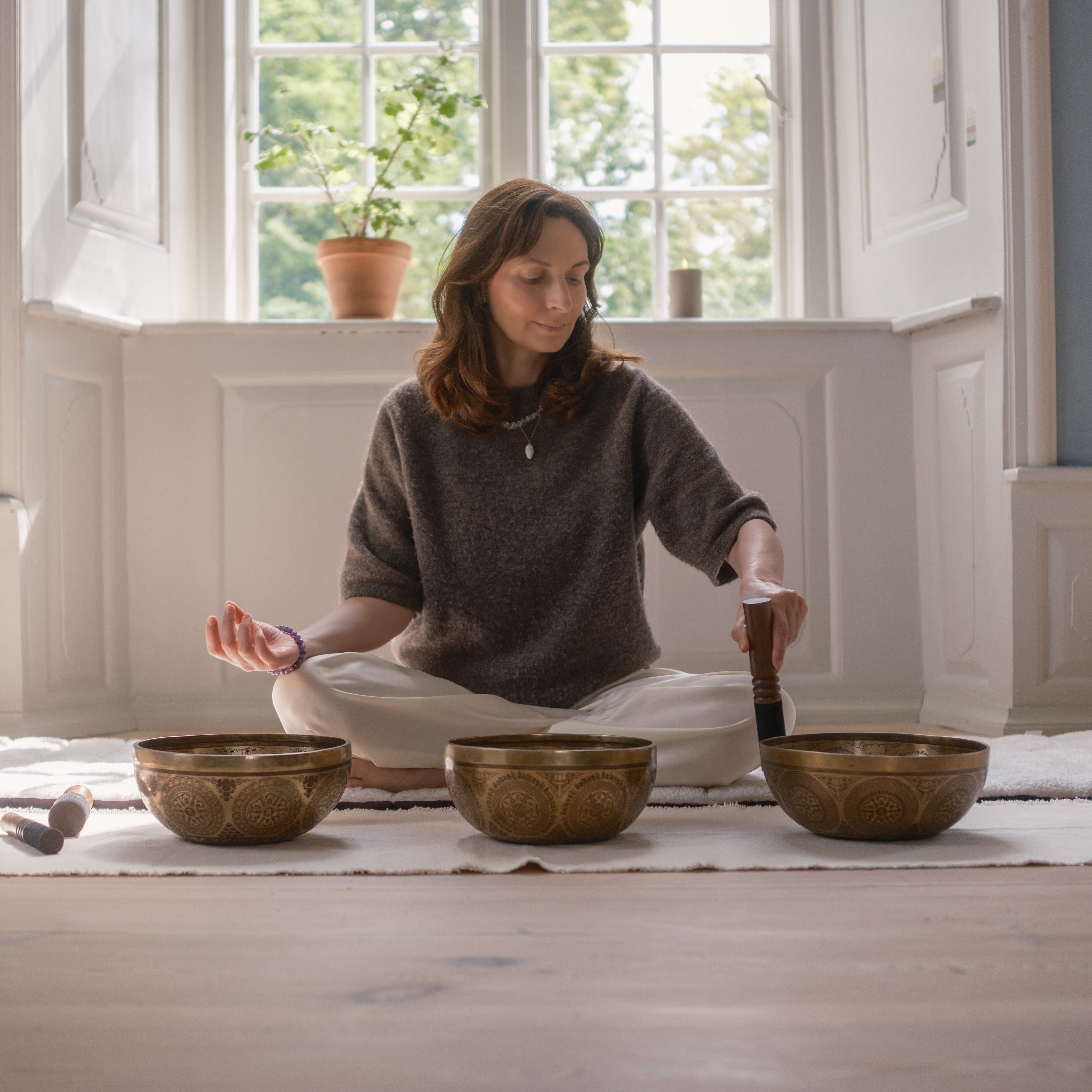
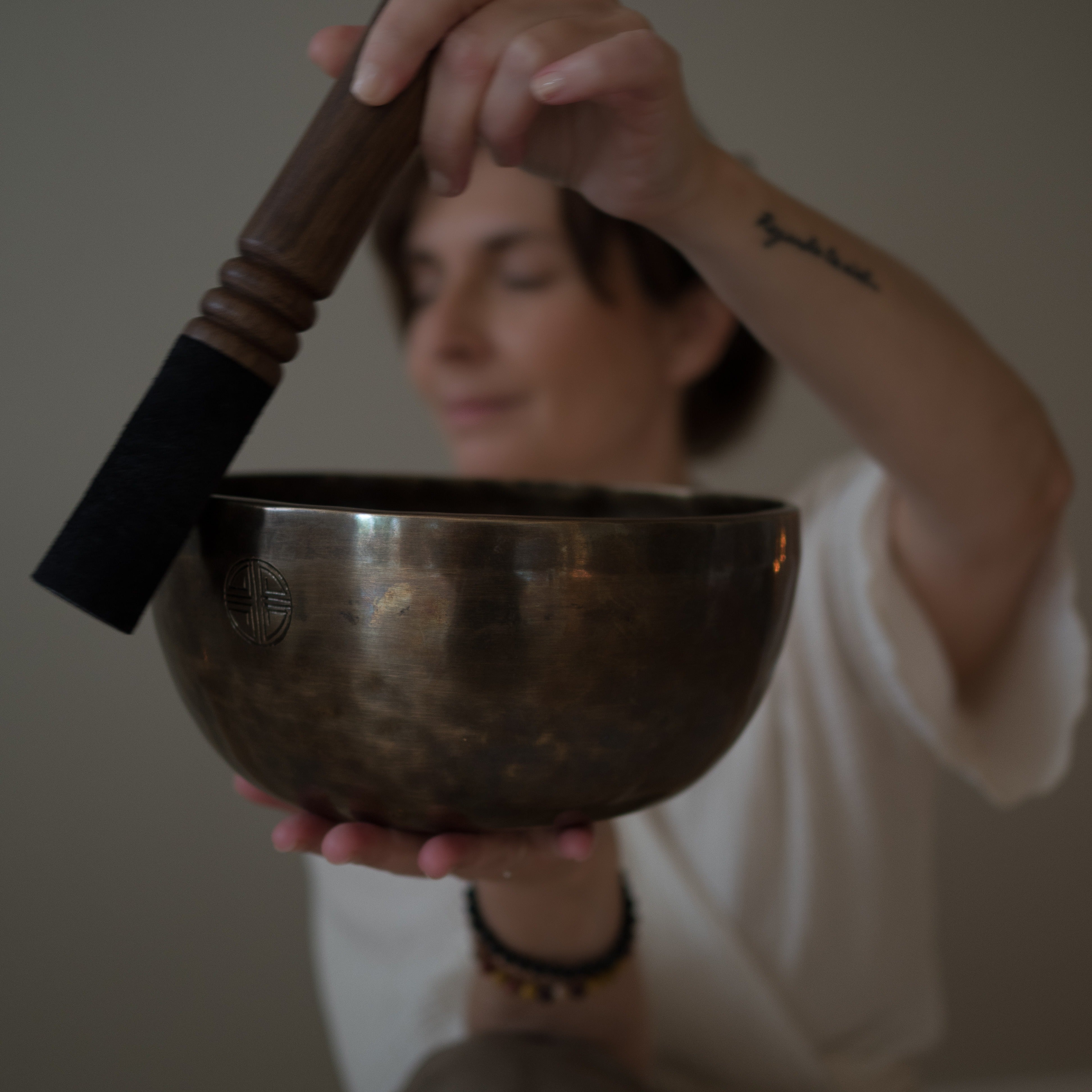
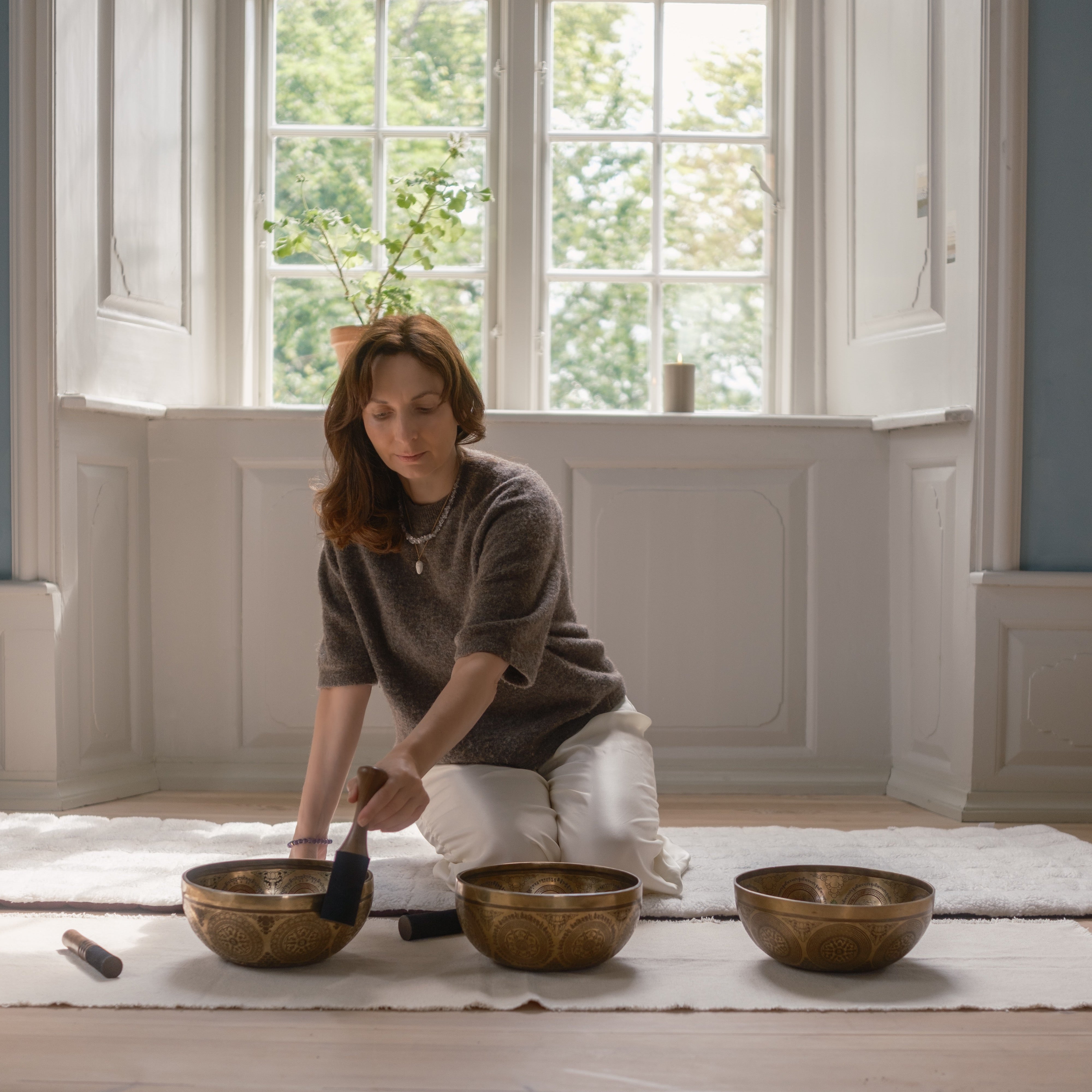
Antique Thadobatti Singing Bowls are timeless masterpieces. Made from high-quality bronze alloy, these Tibetan singing bowls are distinguishable from other types of singing bowls due to their upright and deep design.
They were handmade in Nepal during the 19th century. These antique pieces are limited in availability in our collection.
Some of the key features that define these exceptional singing bowls are listed below:
- The singing bowls stand out with their distinctive upright and deep shape, which gives them their name.
- Over time, these antique bowls have developed a natural patina that enhances their antique look and historical value. The ageing process adds authenticity and reflects years of use, giving the singing bowls a unique charm.
Most singing bowls in this collection retain their original surface with the greenish patina, as they were never polished over time. Subtle variations in appearance are therefore natural.
- The bowls are renowned for their rich and lingering tones, thanks to their unique design. They produce deep, resonant sounds with a rich spectrum of overtones and harmonics. The sounds offer a grounding and calming effect.
- They measure 18-19 cm in top diameter (medium-sized), with weights ranging from 700 g to 1.1 kg.
To learn more about singing bowls, here is some helpful information.
Accessories Included
About Sound Recording
About Sizes & Craftsmanship
Delivery & Returns
Guides
Explore our singing bowl guides to learn more.

Usage & Benefits
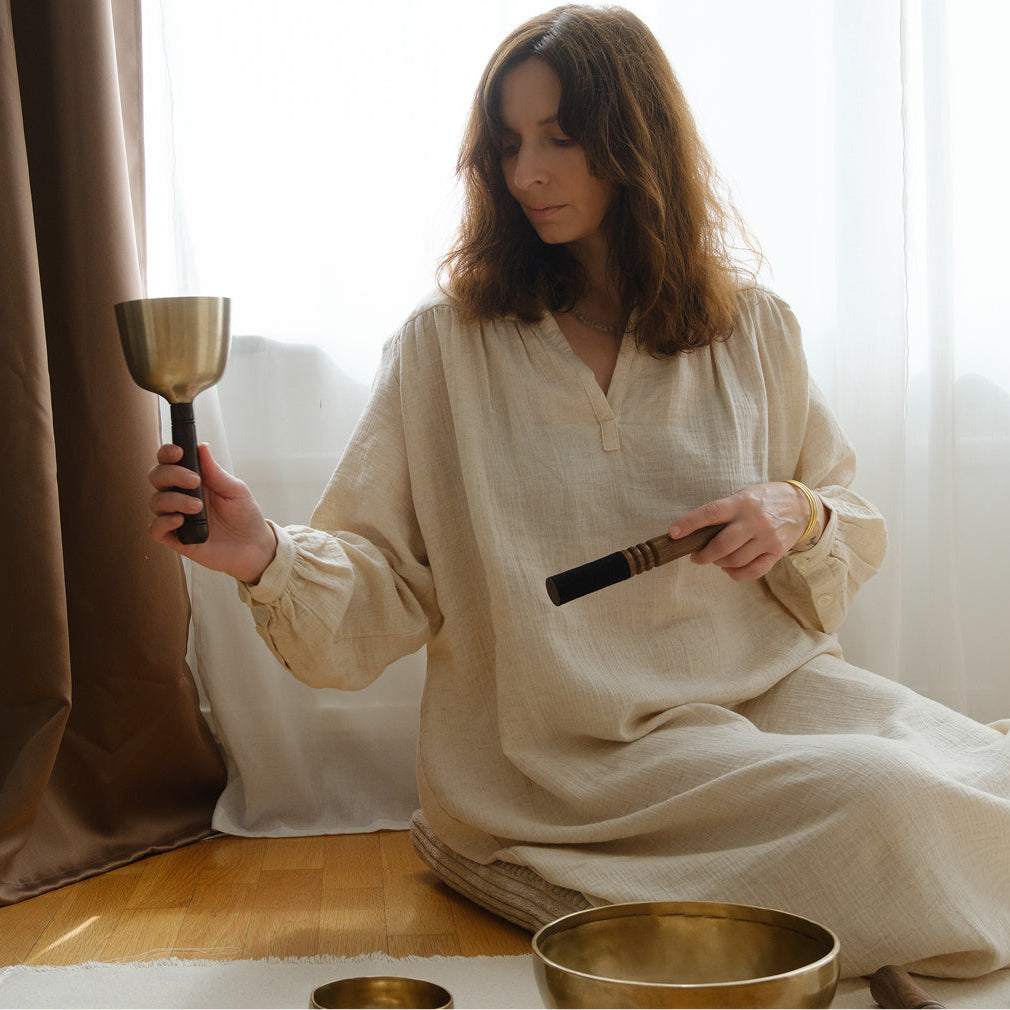
Singing bowls have been used for centuries in Himalayan spiritual and meditation traditions. Today, they're widely embraced in yoga, meditation, sound healing, and wellness practices like Reiki and more.
A recent systematic review of clinical studies suggests singing bowl meditation may support relaxation, reduce stress and anxiety, and improve sleep quality and helping explain their growing use worldwide.

Traditional Hand-craftsmanship
Our singing bowls are hand-hammered by Newari artisans in Nepal using techniques passed down through generations. Each bowl starts as a flat piece of metal alloys and is gradually shaped, refined, and polished by hand. Depending on the design, it may also be etched or hand-carved with symbolic patterns.


