








This article highlights commonly found symbols on etched singing bowls, based on documented Himalayan art traditions and established iconographic sources, rather than modern reinterpretations.
Introduction
Many people are drawn to etched singing bowls because of their beauty. But sooner or later, a question arises:
What do the symbols on a etched singing bowl mean?
They represent defined spiritual qualities such as compassion, wisdom, healing, stability, and awareness within Himalayan Buddhist art. These motifs are not modern decorations but part of a long-established artistic and symbolic tradition.
Over time, many customers have asked about their meaning. This guide brings those answers together in a clear and thoughtful way.
You can explore our full range of singing bowls to compare tones and sizes.
What is an etched singing bowl?

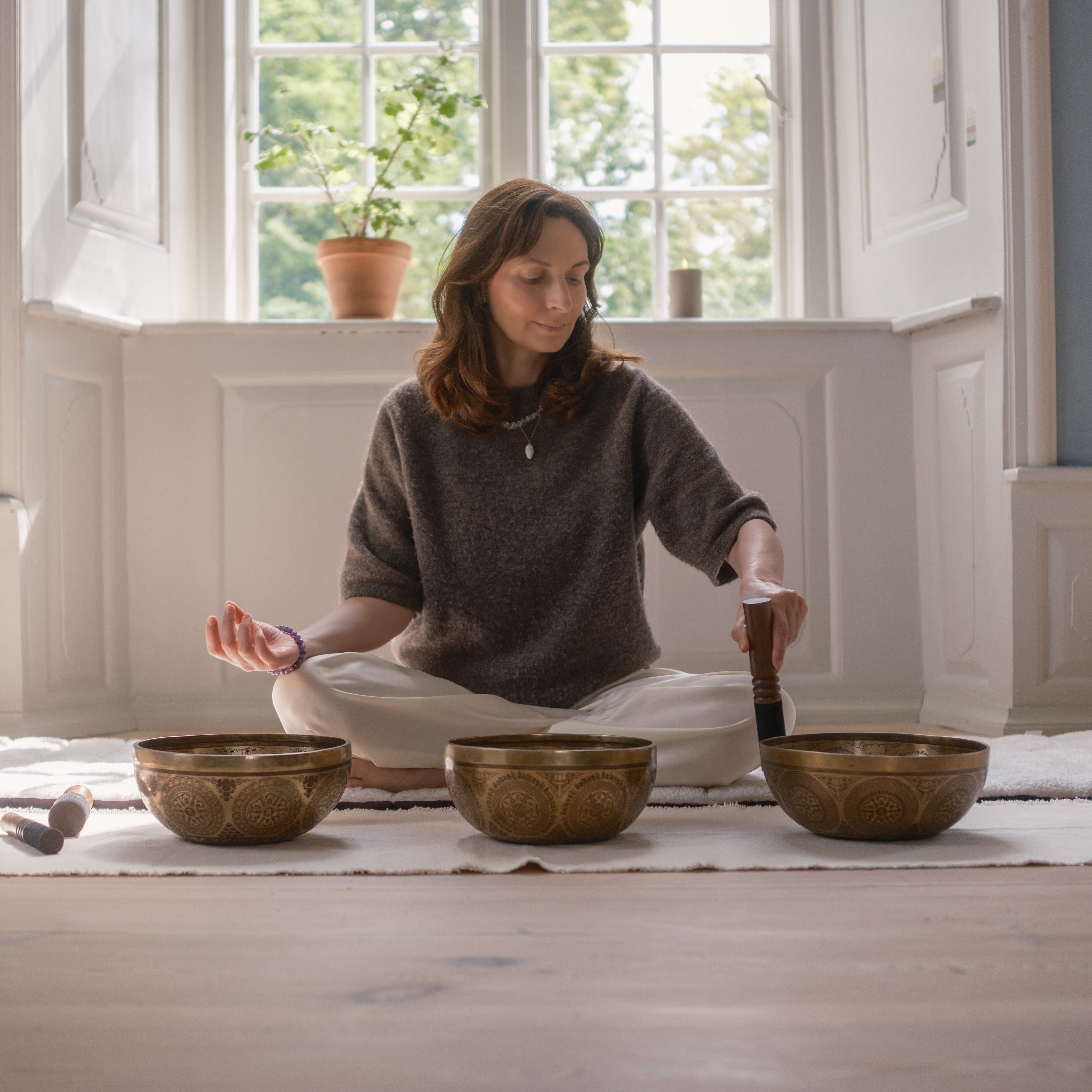
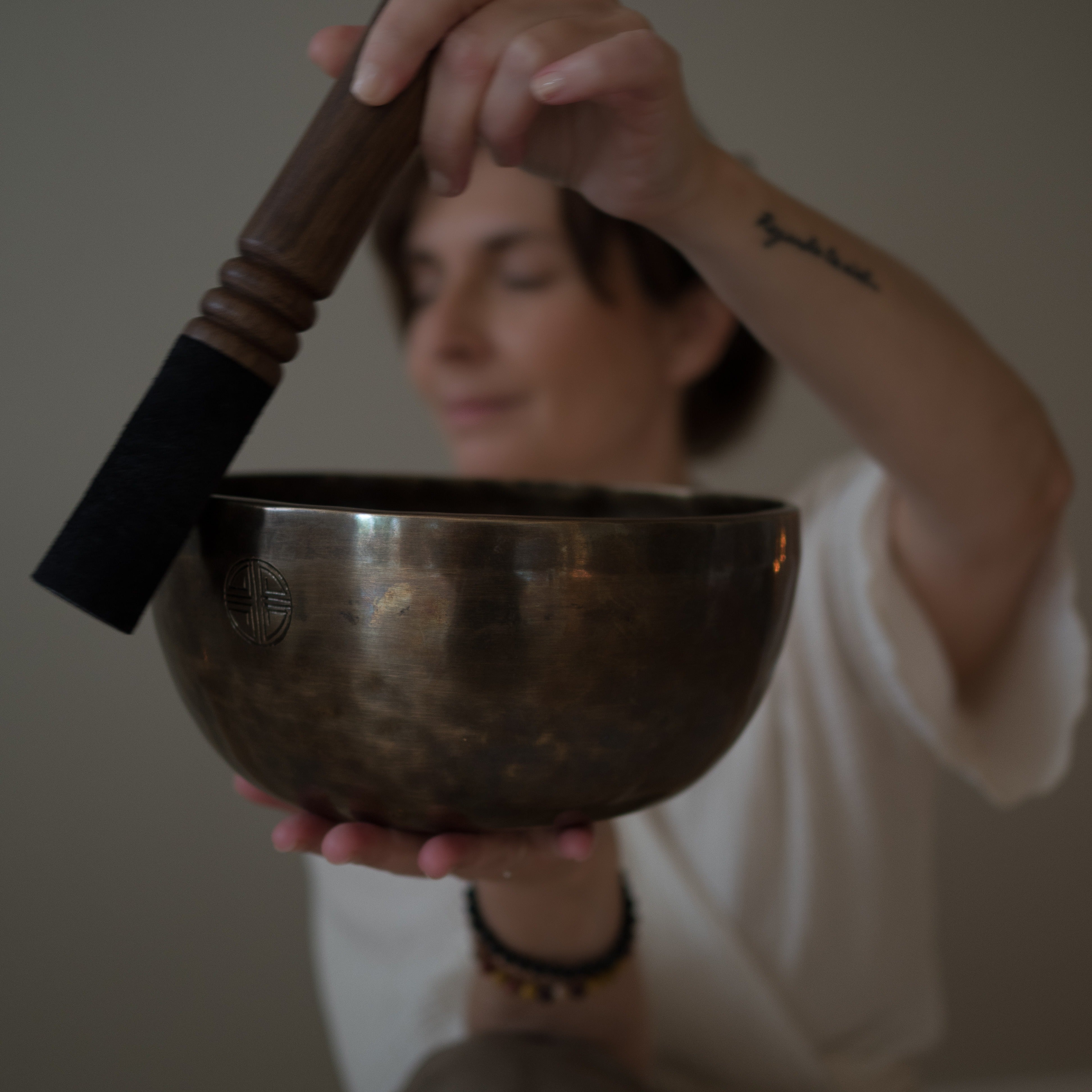
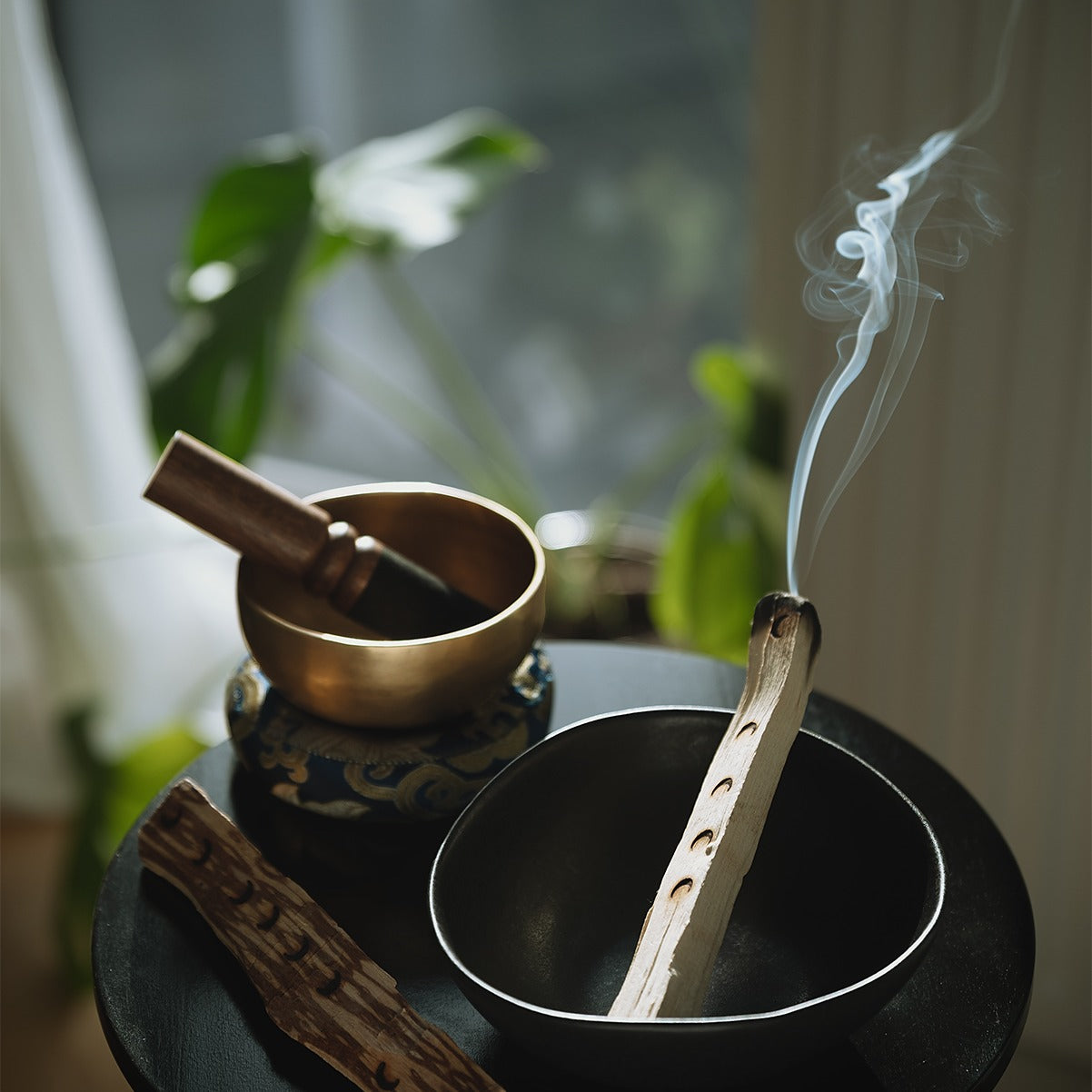
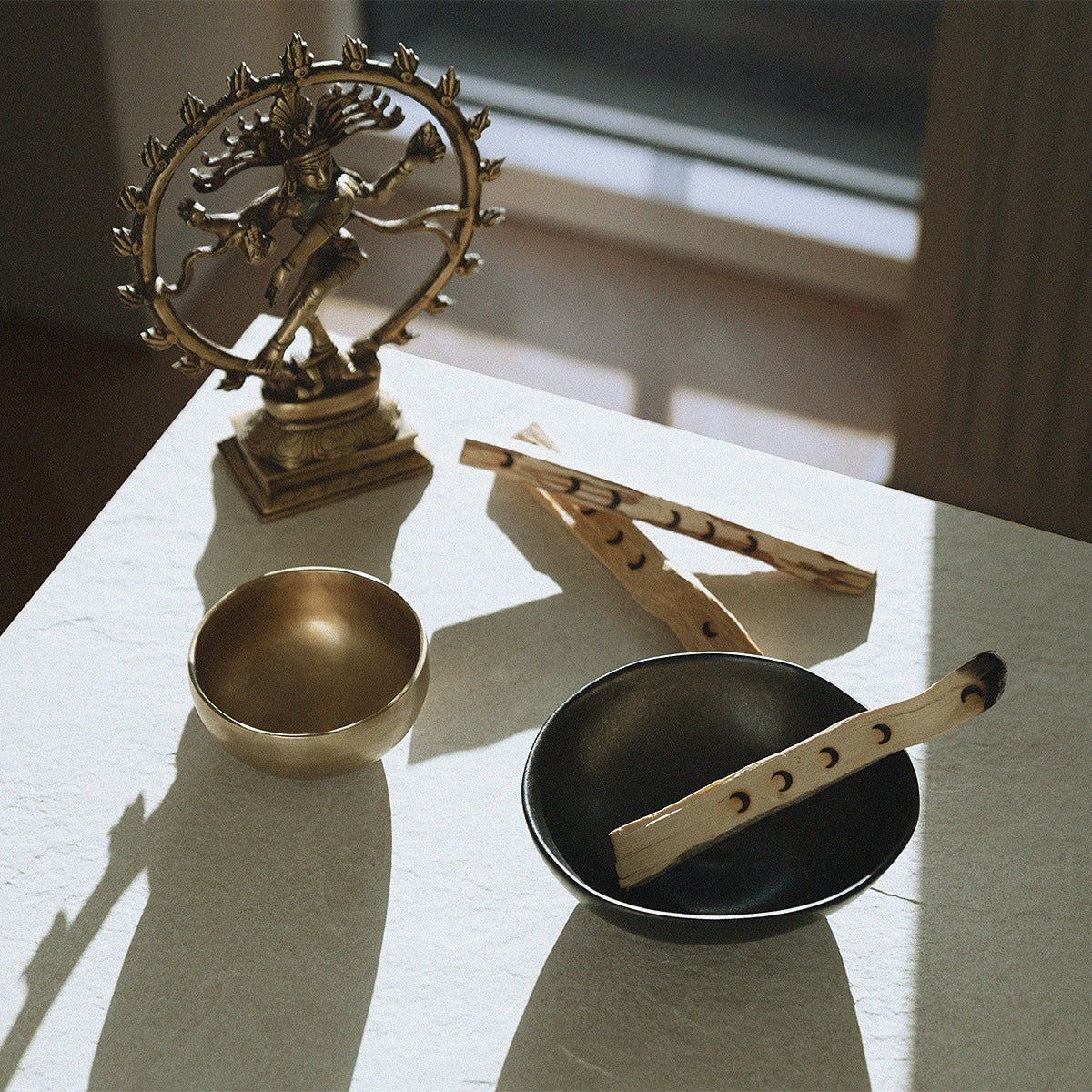
An etched singing bowl is a handcrafted bronze bowl, traditionally made in Nepal by Newari artisans and etched with sacred symbols or deities drawn from Himalayan Buddhist art.
The etchings aren't arbitrary decorations. The motifs reflect an established iconographic tradition used for centuries in ritual objects, temple art, and sacred architecture across the Himalayan region.
An etched singing bowl combines:
- Sound vibration
- Visual symbolism
- Traditional craftsmanship
Today, Tibetan singing bowls are used in meditation, yoga studios, sound healing or therapy sessions, spiritual retreats, mindful spaces, and wellness centers.
Some people choose a bowl for its tone that is deep, grounding, resonant. Others feel drawn to the symbol etched on it.
Often, the right bowl is where both align.
You can explore our collection of etched singing bowls handcrafted for personal practice and professional spaces.
Common Symbols Found on Etched Singing Bowls
The symbolism found on etched singing bowls has been documented in traditional and scholarly works such as:
- The Encyclopedia of Tibetan Symbols and Motifs - Robert Beer
- Deities of Tibetan Buddhism - Martin Willson, Martin Brauen & Robert Beer
These works document the historical and symbolic foundations of the motifs found on traditional singing bowls, confirming that they are part of an established artistic and spiritual tradition.
Below are some of the most commonly seen motifs, explained briefly.
📌 Note: This guide introduces some of the most commonly found motifs on etched singing bowls. However, Himalayan artistic traditions include many additional symbols, regional variations, and layered meanings that go beyond what can be fully explored in a single article.
Om (Tibetan: ༀ)
The syllable Om (ༀ) is part of the sacred mantra Om Mani Padme Hum (ཨོཾ་མ་ཎི་པདྨེ་ཧཱུྃ), which embodies the path of purification of body, speech, and mind.
The Eyes of Buddha
A reminder of spiritual awareness and unity.
Crossed-Vajra (Tibetan: dorje)
A symbol of unshakable stability and the grounding force of the earth.

Mandalas
Mandalas are sacred geometric forms in Buddhist art that represent wholeness and spiritual structure, often used to focus the mind. An example of it is depicted in the picture below which is present in the inner base of the Tibetan Om Mandala Singing Bowl.

Deities on Etched Singing Bowls
Some etched singing bowls feature deities from Tibetan Buddhism. These aren't decorative illustrations added at random. They represent specific enlightened qualities and are part of a carefully defined visual tradition.
Green Tara
Green Tara is regarded in Tibetan Buddhism as a Bodhisattva embodying compassion, courage, and protection.
Manjushri
Manjushri, the Bodhisattva of wisdom, symbolizes insight that cuts through ignorance, often depicted with a flaming sword. His mantra, oṃ arapacana dhīḥ, invokes clarity. Legend says he drained a great lake to form Nepal’s Kathmandu Valley, revealing the sacred Swayambhunath Stupa.
Medicine Buddha
The revered figure of healing and wisdom. Often depicted in deep blue or green hues and holding a gallipot (a healing jar), Medicine Buddha is revered for curing physical and spiritual suffering through the medicine of wisdom and compassion. His mantra is known for its profound power in promoting healing and purifying negative karma.
An example of the Tibetan Buddhism deities are depicted in the picture below which is present in the inner base of the Manjushri, Green Tara and Medicine Buddha Thangka Design Singing Bowls.

Decorative Motifs and Geometric Patterns
In addition to sacred symbols and deities, many etched singing bowls feature geometric borders, repeating patterns, and ornamental motifs along the rims, inner and outer walls.
These designs are not random filler elements.
In Himalayan Buddhist art, repetition, symmetry, and geometric structure often symbolize harmony, continuity, and balance. While not every border carries a specific named meaning like Om or Green Tara, the patterns contribute to the overall visual language of the singing bowl.
They blend art, structure, and symbolism into one unified design.
Does the Meaning of the Symbols Really Matter?
You don’t need to know the meaning behind a symbol to appreciate a singing bowl.
Just like a painting in your home, it can simply be beautiful. It can shape the atmosphere of a space.
But when you understand the story behind a piece of art, something shifts.
A painting becomes more than decoration. It becomes an expression.
In the same way, an etched singing bowl can simply be visually striking. Yet for many practitioners, yoga teachers, therapists, and wellness professionals, knowing the meaning behind the symbol adds intention.
The symbolism does not change the sound. It does not magically alter the metal. But it does connect the object to a deeper artistic and cultural heritage, rather than reducing it to surface design.
For studios and professional environments interested in integrating singing bowls into their spaces, you can learn more about our B2B partnership options.
Design and Sound - A Complete Experience
A singing bowl is experienced in two ways: You see it. And you hear it.
The etched symbol creates visual presence. The vibration shapes the atmosphere.
When visual symbolism and sound align, the experience feels complete.
Some choose for tone. Some choose meaning. Often, it is both.
Frequently Asked Questions (FAQs)
What do the symbols on a singing bowl mean?
The symbols represent qualities such as compassion, wisdom, healing, stability, and harmony within Himalayan Buddhist art.
Are the designs on etched singing bowls random?
No. Traditional etched singing bowls feature motifs rooted in Himalayan Buddhist art and Tibetan iconographic traditions. They are part of an established symbolic heritage.
Does the symbol affect the sound of a singing bowl?
The symbol itself does not change the tone. However, many people choose a bowl where both the sound and the design resonate with them.
Final Thoughts
Etched singing bowls are not random decorative objects.
They are instruments. They are art. They are cultural expressions.
You can appreciate them for their sound. You can choose them for their design. Or you can connect with the symbolism they carry.
There is space for all three. And sometimes, understanding the meaning simply deepens the experience.
Harmonize Within, Thrive Beyond.


